

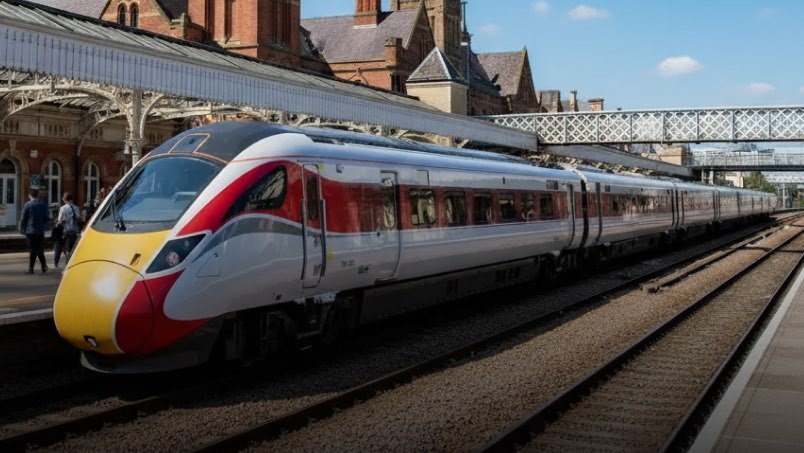



Spain's train services offer travellers two fast and efficient ways to cross the country: the long-established AVE and the budget-friendly Avlo. Both sit under the Renfe high-speed umbrella, and both can reach 300 km/h, meaning you'll still enjoy genuine high-speed travel whichever one you pick.
The real contrast in AVE vs. Avlo, however, lies in what you pay for and what you receive in return. AVE caters to those who value comfort, flexibility, and extra services, while Avlo is built around simplicity and lower fares. With so many routes shared between them, this guide explains how they differ so you can match the right service to your journey.
What are the main differences between AVE and Avlo trains?
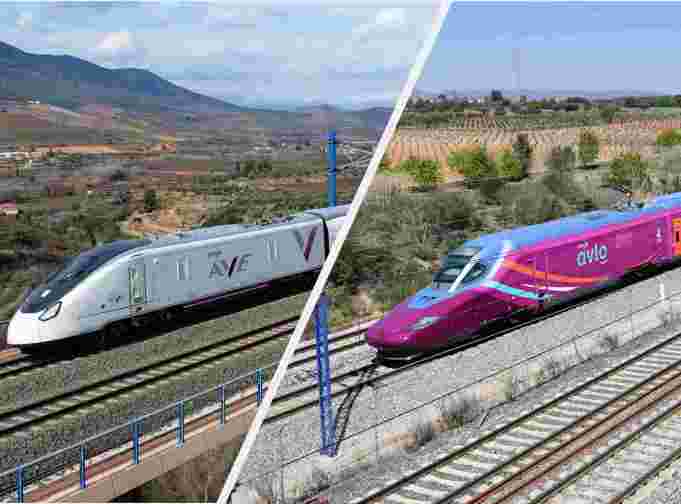
AVE and Avlo may look similar at first, with the same tracks, same 300 km/h capability, but they cater to different travel needs. AVE includes multiple travel classes, onboard services, and more generous baggage policies, creating a smoother and more flexible experience.
Avlo is the low-cost alternative, providing a single seating class, reduced extras, and fees for additional luggage in exchange for significantly lower fares. Choosing between them comes down to your priorities: AVE if comfort and flexibility matter, Avlo if you want the cheapest way to cross Spain.
Origin of AVE vs. Avlo
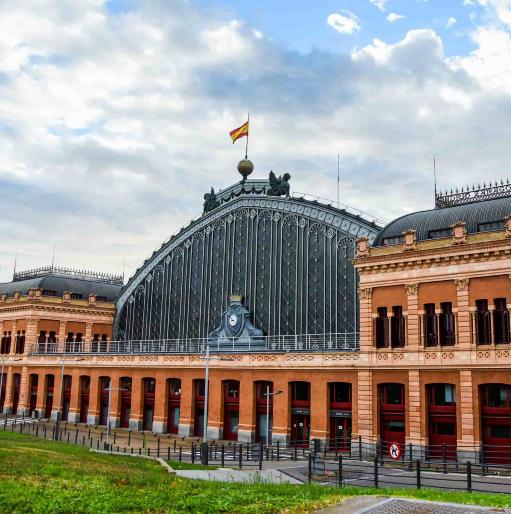
What routes and destinations do AVE and Avlo offer in Spain?
For international travellers, AVE also runs cross-border routes into France, linking Spanish cities with Lyon, Marseille, and Paris. Plans for stronger links with Portugal further underline its role as Spain's most comprehensive long-distance rail service.
Where the two services overlap, Avlo is usually the more economical choice. Price comparisons on TrainPal regularly show Avlo undercutting AVE by a considerable margin, often without any difference in journey time.
Overall, travellers heading to northern Spain, smaller cities or international destinations will need to choose AVE. At the same time, those using Spain's busiest routes can benefit from the lower prices and simplified format of Avlo.
Prices and fares: Which train ticket is cheaper, AVE or Avlo?
Avlo, by contrast, has a single Básico class and is designed to keep Renfe tickets as low as possible. Promotional fares often start from just €7, and even outside sales periods, tickets rarely exceed €50. It remains one of the most cost-effective ways to cover long distances in Spain without compromising on speed.
Travellers prioritising comfort and service should lean towards AVE, while those focused on the lowest fare will almost always find Avlo the cheaper choice.


What are the baggage differences between AVE and Avlo?
For travellers who need to carry multiple bags or heavy items, AVE is the clear choice. Avlo suits light travellers or weekend passengers who travel efficiently and prefer lower fares without the frills of a generous baggage policy.
Wi-Fi and connectivity: Do both offer free Wi-Fi?
Other aspects like price or seating comfort might influence your decision more, but in terms of connectivity, both trains are on equal footing.


Catering services: Avlo vs. AVE
In contrast, Avlo, adhering to its low-cost approach, does not feature a traditional cafeteria or dining service. Instead, passengers rely on vending machines for snacks and drinks, which only accept card payments. On some routes, a mobile bar may offer limited refreshments, but the overall offering is quite basic.
AVE stands out for its superior catering services, with a variety of meal options, table service, and a higher level of comfort. Avlo, on the other hand, sticks to the basics with vending machines, making it a more utilitarian option for budget-conscious travellers on Renfe high-speed services.
What is the difference between AVE and Avlo trains?
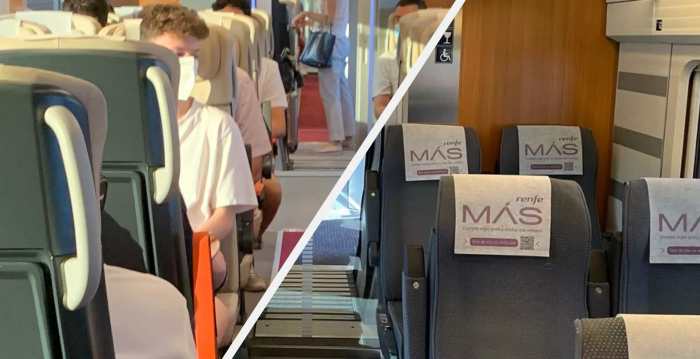

Additional benefits and loyalty programmes
In summary, AVE provides far greater loyalty benefits and premium travel perks than Avlo.
Pets onboard: Can I take pets on AVE and Avlo?
For AVE passengers, there are additional benefits. Prémium ticket holders can travel with their pets free of charge. Some AVE trains also offer a special "Dogs up to 40 kg" service for €35, which allows larger dogs to travel in designated areas.
On both services, guide dogs travel free of charge, regardless of the ticket class or animal size.
Overall, while both trains have similar pet policies, AVE offers more options, especially for larger pets, and Prémium passengers enjoy the perk of free pet travel. Avlo, by contrast, maintains a simpler, more budget-friendly approach.

AVE vs Avlo comparative table
| Feature | Avlo | AVE |
|---|---|---|
Price from | € 7 | €60–€120 (Básico) |
Children | €7 (children under 14 years) | Free (0-3 years), 40% off (4-13 years) |
Included baggage | Hand luggage + cabin bag | Up to 3 items, max 25 kg |
Wi-Fi | Free | Free |
Entertainment | Video monitors in carriages with programmes | Digital platform (on some trains) |
Cafeteria | Vending machines | Staffed cafeteria + service in Prémium |
Train type | Single-level, dense seating configuration | Multiple configurations, more spacious |
Available classes | Single class | Básico, Elige Estándar, Elige Confort, Prémium |
Free commuter rail | | |
Loyalty programme | | Más Renfe (earn points) |
VIP lounges | | Yes (with Más Renfe, Prémium class) |
Door closure | 2 minutes before departure | 2 minutes before departure |
Change flexibility | Low | High (depending on ticket) |
Routes | Main corridors | Full network + international |
AVE and Avlo from Renfe, which to choose for your train journey?
Choosing between AVE and Avlo for your train journey depends on your preferences for comfort versus cost. If you're seeking maximum comfort, flexibility, and premium services on Renfe high-speed services, AVE is your best option.
AVE offers multiple classes, a staffed cafeteria, and Club Lounge access for Prémium passengers, all designed to provide a more relaxed, enjoyable journey. The train also accommodates large luggage allowances of up to 3 bags of 25 kg each, making it ideal for business trips or family holidays. With a vast network covering both domestic and international routes, AVE is perfect for those who want convenience and space.
However, if budget is your primary concern on Spain's train services, Avlo offers the same high-speed service at a fraction of the price, which is up to 50% cheaper on many routes. The basic amenities on Avlo include vending machines and a denser seating layout, and it's suited to light travellers who don't need extra frills.
To compare AVE vs. Avlo in detail and buy the cheapest Renfe tickets, visit TrainPal, which helps you easily evaluate AVE and Avlo tickets side by side.

 New user welcome pack