



TrainPal Football Away-Day Report
⚽ See which fans pay the most. Read our findings
TrainPal Station Analysis
🇬🇧 Which UK station actually scored #1? See our results
How to plan a train journey in the UK (step by step)

Published: Oct 23, 2026
Updated: Oct 28, 2026

While there may be multiple route, ticket and provider options, planning a train journey in the UK is simple once you know what to check and when to book. This step-by-step guide covers all you need to do, including choosing the travel dates and routes, comparing ticket prices, booking and checking live updates in the lead-up to departure.
You don’t need to understand the UK rail system and all the regulations to a tee - just follow our essential tips to make informed choices at every stage. If you need more detailed information, follow the links to our dedicated guides on UK train travel.
Step 1: Decide where and when you want to travel
Before you begin your train ticket booking, you’ll need to figure out where you’re planning to go and when. Consider the following factors:
- Departure and arrival stations: Certain towns and cities have multiple stations serving different routes. Check which station is best for the place you’re going to.
- Travel date: Train times tend to differ during off-peak hours, weekends and public holidays, as well as during engineering works. Therefore, some days are more convenient for travel than others.
- Departure time: Have a look at the service options and decide what time you’d prefer to travel. You may want to avoid peak-time trains, for instance.
- Flexibility: If you’re opting for a semi- or fully flexible ticket, compare all the trains you can take.
- Return trip plans: Travelling both ways? Look for the inbound trip at the same time to compare the total costs and services.
The train ride only makes up part of the overall trip. It’s also worth thinking about how you’ll get to the departure station and onward travel options.
Need a bit of travel inspiration? View our blogs for great trip ideas, from city tours to national park visits.
Step 2: Search for train times and routes
Using a journey planner like TrainPal is the easiest way to view UK train routes and service times between two chosen stations or destinations. Simply enter the point of departure, destination, travel date and preferred departure time. Search results may include indirect journeys with one or more changes. On top of the departure and arrival times, passengers should also look at the details below.
- Journey duration: There may be quicker options if you’re in a hurry. Those after cheap train tickets could also opt for a longer or multi-leg journey to save more.
- Changes: Click on the journey duration and transfer information (e.g., “2h 47m, 1 change”) to see how many changes are involved and if there’s enough time to transfer.
- Departure and arrival stations: Double-check that you’ll be starting and ending your journey at the desired stations.
- Service frequency: Some routes don’t have as many departures throughout the day, so you could explore alternatives.
- Accessibility and facilities: If you require Passenger Assist services, step-free access at stations or facilities such as toilets or baby changing areas, look up the stations before booking.
Remember that the fastest journey isn’t always the best option for you. If you want to avoid a tight connection or take a more scenic route, a slightly longer service may be preferable. Compare services with ease on TrainPal’s booking tool.
Step 3: Compare train ticket prices
Fares for your train journey can significantly vary based on the departure time, route, ticket type and availability. Some train services are pricier during busy peak periods. Rather than assuming each journey between the same two stations will cost the same, compare all the possible options for the best price. The lowest fare may only apply to a specific service or a limited number of tickets. Check the conditions before completing your booking.
How to find cheaper train tickets
The cheapest train tickets in the UK are more easily found the earlier you book. Advance fares bought around 12 weeks ahead and Off-Peak or Super Off-Peak tickets typically offer the best value. Be sure to check if your ticket type has any restrictions. If you’ve got time to spare, taking a slower, more affordable route is a worthwhile alternative. Adding a Railcard to eligible bookings slashes costs by at least a third. Passengers travelling both ways should also compare the cost of a Return ticket vs two Single fares.
Step 4: Choose the right train ticket
You’ll often find plenty of ticket types for UK train travel with different rules determining which services you can board and whether amendments or refunds are accepted. Booking the lowest fare may be tempting, but a more flexible option may better suit your plans. Here are the main ticket categories:
- Advance: Available up to 12 weeks before travel in limited quantities. Travel conditions vary.
- Anytime: Offering the most flexible tickets in terms of services you can take and stops along the route. Restrictions can still apply to certain fares (e.g., the validity of an Anytime Day Return is shorter than an Anytime Return).
- Off-Peak and Super Off-Peak: For travelling during quieter periods (subject to time and route restrictions).
- Single and Return tickets: A combination of cheaper Single fares could cost less than a Return ticket. Be sure to search for both options and compare the total prices.
- Season tickets: Frequent commuters might benefit from a discounted fare covering multiple journeys between two selected stations over a defined period.
Review the ticket rules while booking, particularly the allowed routes and whether you can break your journey or get a refund or exchange tickets.
Check whether you can use a Railcard
Passengers who are eligible for a Railcard can benefit from some great savings, but each has its own set of rules. See which option best suits your travelling habits and applies to the journey you’re planning on taking. You’ll need to take your chosen Railcard with you when you travel to prove you’re entitled to the discounted fare.
Step 5: Book your train tickets
Once you’ve found the service(s) you’re happy with on the booking page, check that the journey details are correct before proceeding with payment:
Departure and arrival stations
Travel date(s) and departure time(s)
Route and transfers
Number of passengers
- Ticket type and travel conditions
- Applicable Railcard discounts
Total fare including any fees
Once your payment has gone through, have a look at the booking confirmation email to see how you can access your tickets. Formats include e-tickets, mobile PDF tickets and paper tickets printed at the station. Not every booking will include a reserved seat. Note that for some ticket formats, screenshots won’t be accepted on board.
Step 6: Prepare for your journey
A little preparation before you set off can save a lot of hassle, especially if you’ve never been to the departure station before or aren’t travelling light. Make your journey smoother with these tips.
Check your ticket and travel documents
Make sure you can access your ticket, Railcard and other travel documents (preferably, they should be downloaded before you leave). Use this time to also glance at the ticket validity and route or service conditions.
Confirm luggage allowance and onboard facilities
Double-check how much luggage is allowed on board and what facilities are offered. Luggage space, cycle storage, Wi-Fi access, onboard toilets and food options vary across all operators and specific services. If you’re travelling with a bike, pet, buggy or large item of luggage, we advise checking the rules set by the relevant operator(s).

Plan your arrival at the station
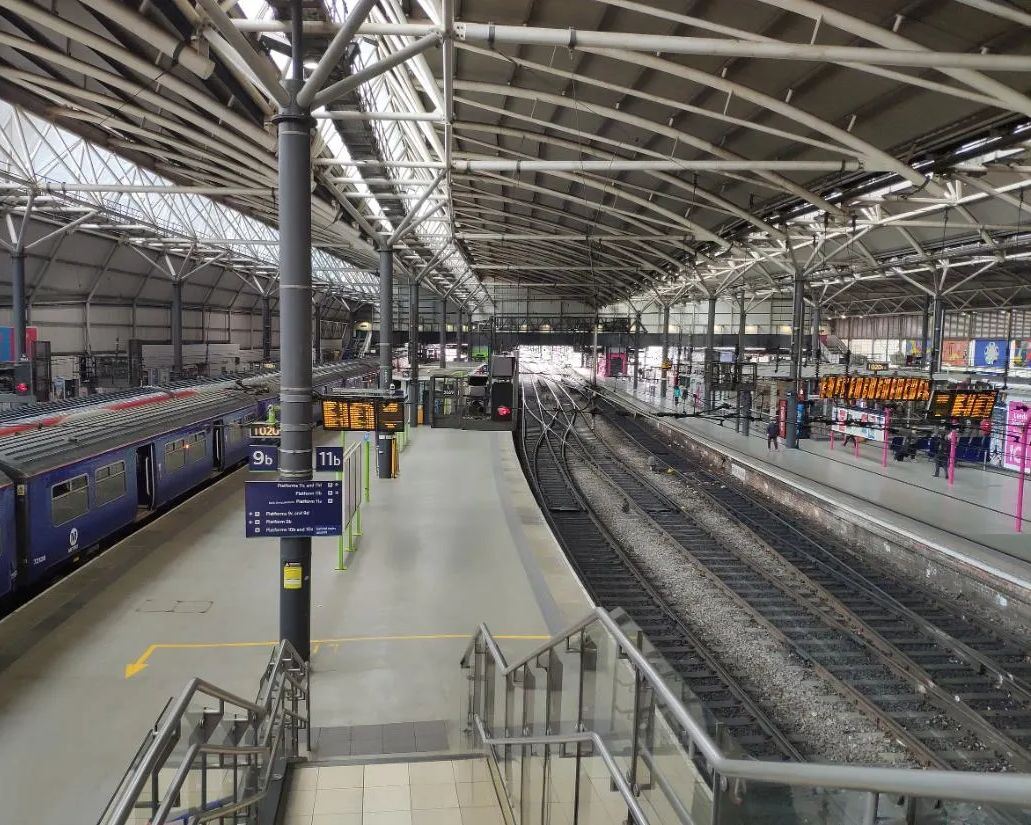
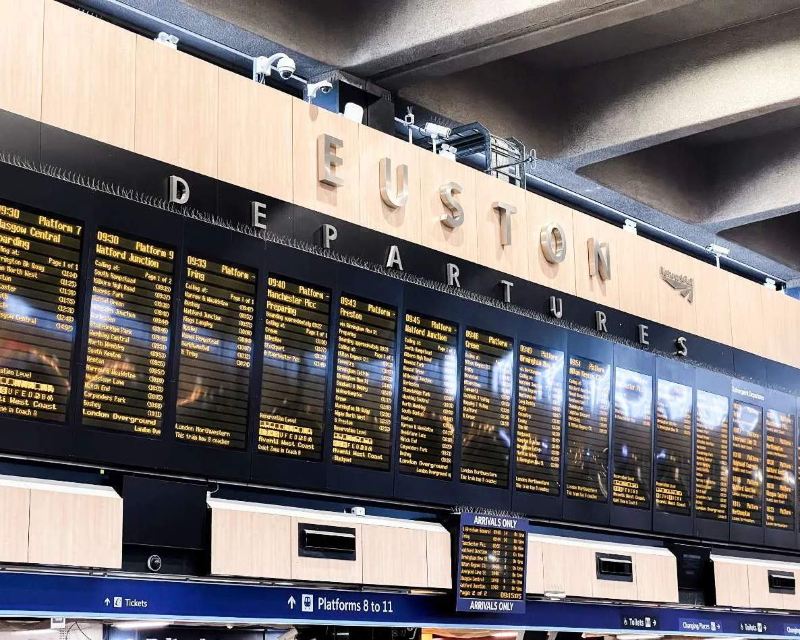
Give yourself plenty of time to navigate the station, find the right platform, get through the ticket barriers and board. A larger station can have many entrances, levels and departure areas. The exact platform for your train may not be announced until departure is closer (e.g., 10–15 minutes). Keep an eye on the station boards and don’t rely on previous search results and screenshots.
Step 7: Check for delays and cancellations
On some occasions, everything may not run to schedule. Take a look at the live service information before heading to the station and again once you’ve arrived to check the status of your train. You can either use National Rail’s live train information, the operator’s website or app or platforms like TrainPal. There’ll also be updates on the departure boards and announcements at the station.
A delay describes when a service is running late. If a train is cancelled, the service is no longer running. The time of a pre-booked journey may also be changed as part of an operator’s amended timetable, and you’ll usually receive an email or notification ahead of time. When there are engineering works or unexpected disruption, passengers will have to board a replacement bus service, which usually stops outside the station entrance (follow the signs or ask staff for directions). Follow the operator’s latest guidance on alternative services, ticket validity, compensation and refunds.
Step 8: Find your train and board
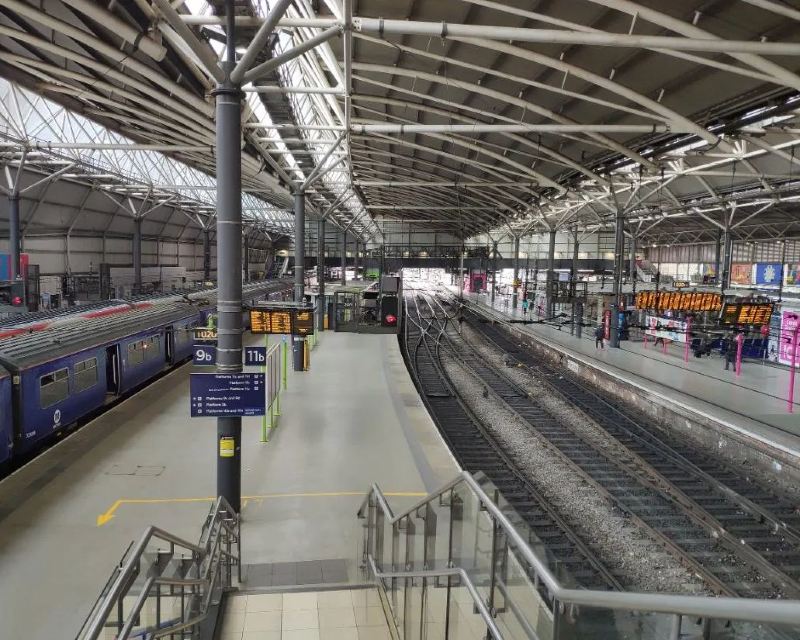
Once you’re in the station concourse, take a look at the departure board for information. The operator, departure time and destination should match the details on your ticket. If it hasn’t already been announced or put on display, wait for the platform to be confirmed and double-check before heading to the ticket barriers.
If a seat reservation is included in your booking, check that you’ve found the correct coach and seat number. Passengers without a booked seat should see the operator’s guidelines on available seating. Some trains include screens and lights to indicate which seats are free.
Boarding arrangements, platform and service details can change at short notice, so listen out for any further announcements and check the live service updates, especially if you’re changing trains. Keep your ticket accessible for any onboard inspection or to have it ready for the gates at the arrival/transfer station.
What to do if something goes wrong
A guide on how to plan a train journey wouldn’t be complete without covering how to handle common scenarios affecting the smoothness of your trip. Read on for your next steps.
- Your train is delayed or cancelled: Check official updates for delays or cancellations, and follow the operator’s guidance on alternative services to reach your destination.
- You’ve missed a connection: Approach station staff or read the operator’s guidance before getting on another train, as you may need another ticket.
- You can’t access your ticket: In some cases, a screenshot won’t be accepted as a valid ticket. Check the booking confirmation or contact your ticket provider.
- You’ve boarded the wrong train: Speak to onboard or station staff as soon as you can to explain the situation.
- You need Passenger Assist services: Contact the operator(s) to request help during your journey. Most companies advise pre-booking at least two hours before travel. See what assistance can be provided for unplanned requests.
FAQs about planning a train journey in the UK
What is the best way to plan UK train travel?
Using a journey planner handles everything from comparing routes, times and prices to checking ticket restrictions and live service updates.
How far in advance should I book train tickets?
Booking early (around 10–12 weeks before) means you can get cheap Advance fares on certain routes, but release dates and availability vary. You might be able to book flexible tickets closer to the travel date.
How can I find the cheapest train ticket?
Compare different services, ticket types and the total cost to find the cheapest time to travel. It’s also worth checking if your journey is eligible for a Railcard discount. Be sure to review the travel restrictions associated with each fare.
Do I need to print my train ticket?
Some services accept mobile or e-tickets, whereas others may require passengers to print a paper ticket or use another collection method. Follow the instructions in your booking confirmation.
How early should I arrive at the station?
You’ll need to allow enough time to find your platform and board without rushing. This will depend on the station size, time and specific boarding requirements.
What should I do if my train is cancelled?
Check the latest official service information for cancellations and follow the operator’s guidance on alternative travel, ticket validity and potential compensation or refunds.
Can I change my train ticket after booking?
Not all ticket types allow amendments after booking. Check the fare and retailer conditions before making changes, if permitted.
Is it cheaper to book a Return ticket or two Singles?
The cost of two Single tickets vs a Return fare can vary depending on the time, route, fare availability and ticket restrictions. Explore all your options to find the most affordable and suitable deal.
Top Guides

How to read UK train departure boards?


How to check if a train is cancelled before you travel


Do you need to book bike spaces on trains?

Can you take bikes on UK trains? Rules explained

Travelling with pets on UK trains: Rules & costs

Do you need to book train tickets in advance in the UK?
New UK train cancellation policy: What to do if your train is cancelled

Great value LNER train tickets to London & more

Table of Contents
- Step 1: Decide where and when you want to travel
- Step 2: Search for train times and routes
- Step 3: Compare train ticket prices
- Step 4: Choose the right train ticket
- Step 5: Book your train tickets
- Step 6: Prepare for your journey
- Step 7: Check for delays and cancellations
- Step 8: Find your train and board
- What to do if something goes wrong
- FAQs about planning a train journey in the UK
Ready to plan your trip?
Single
Return

More related guides



Latest Travel Guides
How to read UK train departure boards?
Published: October 28, 2026

How to check if a train is cancelled before you travel
Updated: October 28, 2026

Do you need to book bike spaces on trains?
Published: October 28, 2026
Can you take bikes on UK trains? Rules explained
Published: October 28, 2026

Travelling with pets on UK trains: Rules & costs
Published: October 21, 2026
Understanding UK train times and platforms
Published: September 23, 2026
How much luggage can you bring on board UK trains?
Published: September 23, 2026
Do you need to reserve seats on UK trains?
Published: September 23, 2026

Do trains have WiFi in the UK? Login process explained
Published: September 23, 2026

How much can you save with a Railcard?
Published: September 18, 2026

Do Railcards work on Peak trains?
Published: September 18, 2026

Can you use multiple Railcards on one ticket?
Published: September 18, 2026
Latest Travel Guides
 New user welcome pack