


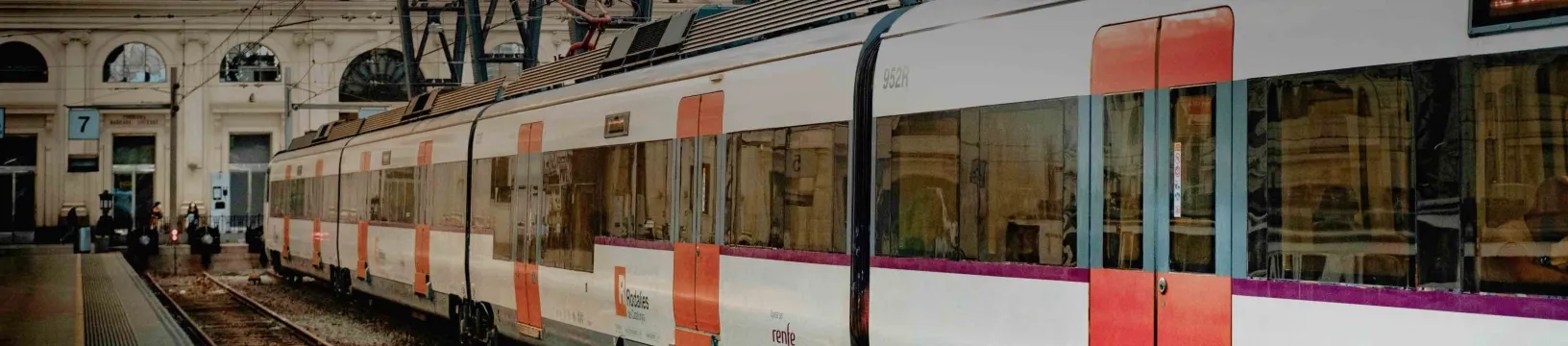


Rail liberalisation has changed how people travel across Spain, opening the door to more competition and better value. Two major names now defining the country's high-speed scene are AVE and iryo.
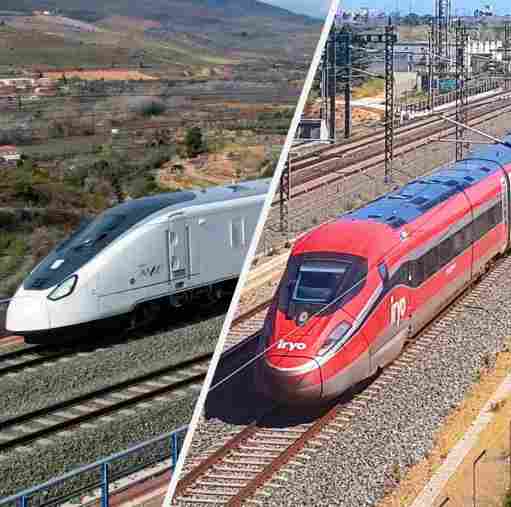
AVE, operated by Renfe, has been the classic high-speed rail in Spain choice since 1992, offering a long-established network and a strong track record for dependable service. iryo, on the other hand, is the newer premium train in Spain, bringing modern trains, upgraded comfort, and fresh technology to the market.
With both offering fast connections and a wide range of fares, it's not always easy to decide which one, AVE vs. iryo suits you best. This guide breaks down the key differences so you can choose based on your travel needs and budget.
What are the main differences between AVE and iryo trains?
AVE and iryo both run high-speed routes, but they cater to slightly different passengers. AVE, the long-standing high-speed rail in Spain, emphasises reliability, an extensive network, and established service routines.
iryo, in contrast, is a newer and more modern premium train in Spain, offering flexible booking options, advanced train technology, and upgraded onboard features.
Price structures differ, too: AVE follows traditional fare categories, while iryo often provides competitive and dynamic pricing. Differences also appear in service classes, comfort, and extras such as Wi-Fi, catering, and seating design, showing how each operator shapes the travel experience.
Origin and operators: AVE vs. iryo
AVE's extensive network connects most major Spanish cities, making it a dependable choice for both regular commuters and long-distance travellers. Over the years, it has become synonymous with Spain's high-speed rail experience, maintaining a traditional approach that prioritises consistency.
While AVE relies on tradition and consistency, iryo aims to combine Italian innovation with Spanish rail efficiency.
What routes and destinations do AVE and iryo offer in Spain?
AVE also runs international routes to France and Portugal, making it the go-to choice for those looking to combine domestic and cross-border travel. For passengers who value flexibility and a wide selection of departure times, AVE’s network is unmatched. Its extensive reach ensures that even less-travelled destinations are within easy access.
While its coverage is smaller, iryo has quickly captured about 25% of the high-speed market. It competes with AVE on shared routes by offering modern trains, onboard 5G connectivity, and competitive fares. This approach appeals to passengers looking for comfort, convenience, and value without needing to travel to more remote or international destinations.
If you need broad coverage or international connections, AVE is your choice. If your journey falls on one of the high-demand corridors, iryo offers a modern, flexible alternative with attractive fares and upgraded technology. Both services have clear strengths depending on where and how you travel.
Prices and fares: Which company offers cheaper Ttrain tickets, AVE or iryo?
Both AVE and iryo use dynamic pricing, so the cost of a ticket depends on demand, travel date, and how far ahead you book. AVE follows a more traditional, tiered fare structure. The Básico fare is the lowest cost, usually €15–€30 depending on the route, but it comes with restrictions like limited flexibility and no refunds.
Next up are Elige Estándar and Confort fares, which provide more options, such as seat selection and greater flexibility. At the top, Prémium offers maximum freedom, priority service, and added comfort for those willing to pay more.
iryo's fares are simpler but competitive. Inicial is its entry-level fare, and when booked in advance, it often matches or even beats AVE's Básico. Inicial Superior adds flexibility and corporate benefits for business travellers. Infinita offers XL seats and upgraded services, while Infinita Bistró includes gourmet catering served directly to your seat for a premium experience.
For passengers seeking the cheapest train tickets in Spain, iryo's Inicial often comes out ahead, particularly on popular corridors. Both operators reward early booking, so planning is crucial to getting the best price.
While AVE offers a wider range of tiers and service levels, iryo focuses on simplicity and modern comforts, making it easier to understand what you're paying for. Ultimately, the best fare between iryo vs AVE prices comes down to your travel needs, timing, and how far in advance you secure your ticket, with iryo frequently offering the most attractive low-cost option.

Included baggage: What are the baggage differences between AVE and iryo?
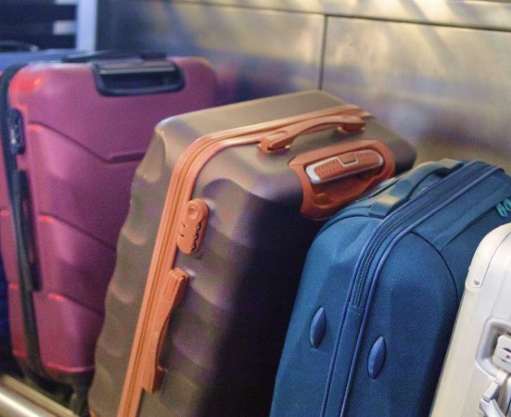
Both AVE and iryo far exceed the baggage allowances of low-cost carriers. If you need maximum default luggage space without upgrading your ticket, AVE is the better choice.
Wi-Fi and connectivity: Do both offer free Wi-Fi?
Both services allow passengers to stay connected, but iryo clearly has the edge for those who need consistent, stable connectivity. Business travellers or anyone planning to work or make video calls on the train will find iryo the better choice, while AVE is sufficient for casual browsing.


Catering services
Catering on AVE is focused on quality and tradition. Every passenger can access the cafeteria or bar, which provides drinks, snacks, and light meals throughout the journey. Premium-class travellers benefit from a standout experience of at-seat meals prepared by Chef Ramón Freixa, who holds two Michelin stars. Other classes can pre-order box meals for €7.50 or enjoy a Prémium Ramón Freixa menu, priced at €25 for lunch or dinner and €22 for breakfast, snacks, or afternoon tea, offering an elevated dining option without leaving your seat.
iryo takes a more innovative approach. In addition to the cafeteria and mobile bar, passengers can pre-order meals for delivery to their seats. The top-tier Infinita Bistró service provides a full gourmet menu with seasonal dishes, designed to stimulate the senses and create a memorable culinary experience. iryo focuses on innovation, presentation, and a modern approach to gastronomy, making dining part of the journey rather than just a convenience.
Both AVE and iryo provide excellent catering. AVE emphasizes traditional quality and the prestige of Chef Freixa, while iryo shines with creativity, appealing to travellers seeking something different on the rails.
Train type: What is the difference between AVE and iryo trains?
AVE offers variety and dependable service, but iryo provides a distinctly modern, high-tech experience. For passengers prioritising comfort, style, and innovation, iryo's trains deliver a superior journey from start to finish.
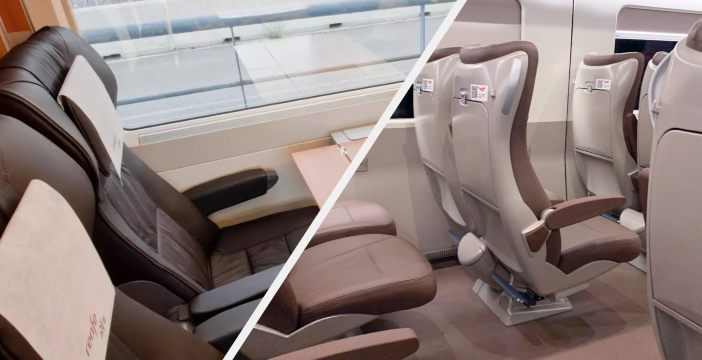
AVE vs. iryo comparative table
| Feature | AVE (Renfe) | iryo |
|---|---|---|
Operador | Renfe (public company) | iryo (Trenitalia + Air Nostrum) |
Start of operations | 1992 | 2022 |
Price from | €15–30 | €18–25 |
Included baggage | Up to 3 pieces of 25 kg each | Varies by fare type |
Wi-Fi | Free | Free |
Mobile connectivity | Standard | Superior (MasOrange system) |
Catering | Cafeteria | Modern bistro |
Train type | Various models (100, 112, 106, 130) | ETR1000 (latest generation) |
Available classes | Básico, Elige, Confort, Prémium | Inicial, Inicial Superior, Infinita, Infinita bistro |
Free Cercanías | | |
Loyalty programme | Más Renfe (established) | Club Yo |
VIP lounges | Club Lounges (with Prémium or Gold/Platinum status) | None (for now) |
Route network | Very extensive (all of Spain + international) | Limited (main corridors) |
Madrid–Barcelona | Operational | Operational |
North & Galicia | | |
International | Yes (France, Portugal) | |
Train technology | Variable (some very modern) | Uniform latest generation |
Special discounts | Golden Card, Youth Card, families | Own discounts + promotions |
AVE or iryo, which to choose for your train journey?
Frequent travellers benefit from the Más Renfe loyalty program, generous baggage allowances, and consistent service, making AVE the go-to option for passengers who need flexibility and broad destination coverage.
Ultimately, there's no clear winner. Your decision on AVE or iryo, which is better, should consider route, budget, baggage needs, and whether you value network reach or onboard experience. Make use of our TrainPal comparison tool, which helps you compare fares, amenities, and schedules to find the best fit for your journey.
 New user welcome pack